
Reconstructing the Dragon Image
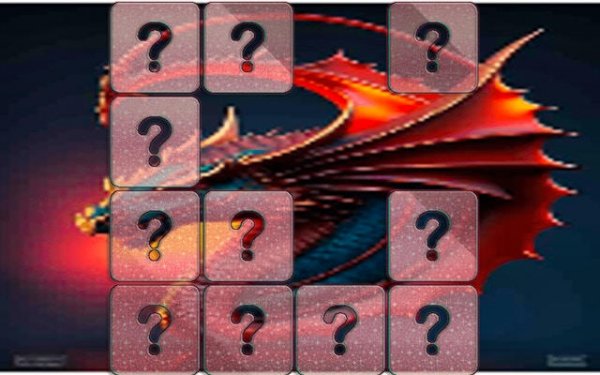
Each puzzle begins with a dragon-themed picture cut into multiple tiles and shuffled across a grid, leaving one cell empty. Your task is to slide adjacent tiles into that gap until the original image is whole again. Every move shifts exactly one tile, so the order of your clicks determines how quickly the picture takes shape.
Controls and Pace
Click or tap a tile next to the empty space to move it. The game imposes no timer and no penalties, so you can pause, reconsider, and experiment without pressure. That relaxed structure makes it easy to play for a few minutes or settle in for a longer session.
Planning Over Guesswork
Random sliding rarely solves a puzzle. Success depends on observing the picture, identifying where each tile belongs, and thinking a few steps ahead. Working from the edges inward often helps, since border tiles have fewer valid positions. Completing one section before moving to the next keeps the board manageable.
Memory and Spatial Reasoning
The dragon artwork doubles as a memory aid: the more familiar you become with the image, the easier it is to visualize where tiles should go. Regular practice sharpens that mental mapping and can speed up your solving over time. The game suits players of all ages who enjoy logic puzzles and fantasy themes.
Comments
0 comments