
Comparing Two Images
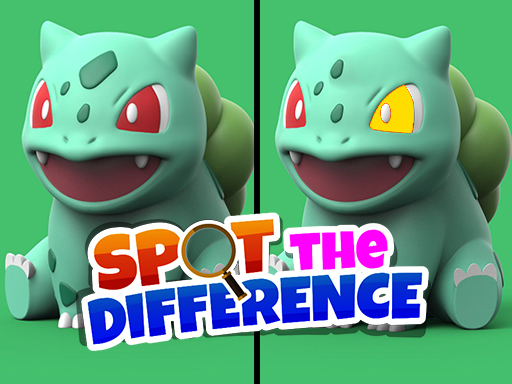
Observation Differences Puzzle centers on a simple comparison task. Every level displays two pictures side by side that look nearly identical, and your job is to locate the subtle changes between them. The images are filled with charming details, so the differences are often small rather than obvious. Tapping or clicking a difference marks it and adds to your score. The game tracks how many differences you have found and celebrates when the set is complete. [IMG_1]
Playing Without Pressure
There is no timer in Observation Differences Puzzle, so you can study each pair of images for as long as you like. That design choice removes the stress common in timed puzzle games and lets you work at your own pace. If a difference proves hard to find, a hint button reveals one for you. Hints are intended to keep the session moving without solving the whole puzzle, so they support observation rather than replace it. [IMG_2]
Artwork and Audience
The visuals are bright and colorful, chosen to be engaging without straining the eyes during longer sessions. Each level introduces a fresh pair of images, which keeps the search from feeling repetitive. Because the controls are limited to tapping or clicking, the game is approachable for younger players and adults alike. The family-friendly presentation also makes it easy for parents and children to play together or take turns.
Who It Suits
Observation Differences Puzzle fits short breaks and longer sessions equally well. Players who enjoy careful looking, pattern spotting, or calm puzzle routines will find the loop straightforward: compare, spot, mark, repeat. The gentle feedback and absence of time limits keep the tone encouraging. It is not a game about reflexes or complex rules; its appeal comes from attention to detail and the small satisfaction of each correct find.
Comments
0 comments