
Core Stacking and Line Clearing
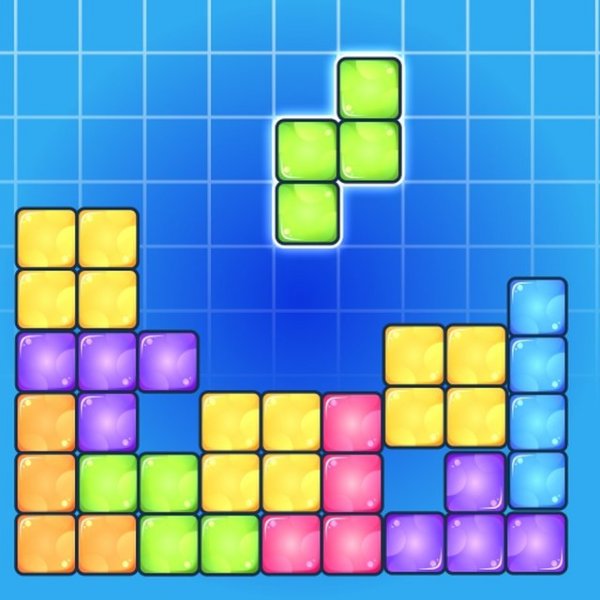
Each round presents a playing field that fills from the bottom as blocks descend from above. Your job is to move, rotate, and drop those blocks so they form unbroken horizontal lines. When a line is complete, it disappears and awards points, opening space for the next pieces. The colored appearance of the blocks is decorative; color does not change how a block behaves or scores. What matters is shape and placement, so the game rewards spatial reasoning rather than color matching.
Controls and Platform Support
On a keyboard, players typically use arrow keys or similar inputs to shift a block left or right, rotate it, and adjust its descent speed. Mouse and touch controls are available on mobile phones and tablets, and the game runs in web browsers across PC and mobile devices. That range means a session can start without installing anything, whether you have a few minutes on a phone or a longer stretch at a desktop.
Pacing and Difficulty Curve
New blocks keep falling at a steady rate, and the challenge rises gradually as play continues. Early on, there is room to recover from a misplaced piece; later, the field offers less margin for error. Because the difficulty is tied to the ongoing pace, planning ahead becomes more important than reacting quickly. Keeping the stack relatively flat and filling gaps evenly helps delay the moment when the field becomes too full to continue.
Who It Suits
The straightforward rules and cheerful visual style make Color Block Puzzle Stacker accessible to beginners, while the gradual increase in speed gives experienced puzzle players something to chase. It works for short breaks or extended sessions, and the absence of color-based rules keeps the focus on pattern recognition and deliberate placement. Players who enjoy thinking a move or two ahead will get the most from it.
Comments
0 comments