
Matching Adjacent Gems
The board is a grid of colored gem tiles. Your goal is to select two or more adjacent tiles of the same color and clear them. That single rule drives every decision. If you tap a tile with no matching neighbor, you lose one attempt. The round ends when the required tiles are cleared or your attempts run out. Visual feedback confirms each selection, so you always know whether a move was valid. [IMG_1]
Reading the Board Before You Tap
Because a wrong tap costs a life, the game rewards scanning the whole grid before acting. Look for clusters where clearing one group opens new adjacencies. Larger groups are usually safer than single pairs, but sometimes a small clear near the edge creates a better chain. The tension between acting quickly and checking carefully is the core of the experience. [IMG_2]
Egyptian Visual Theme
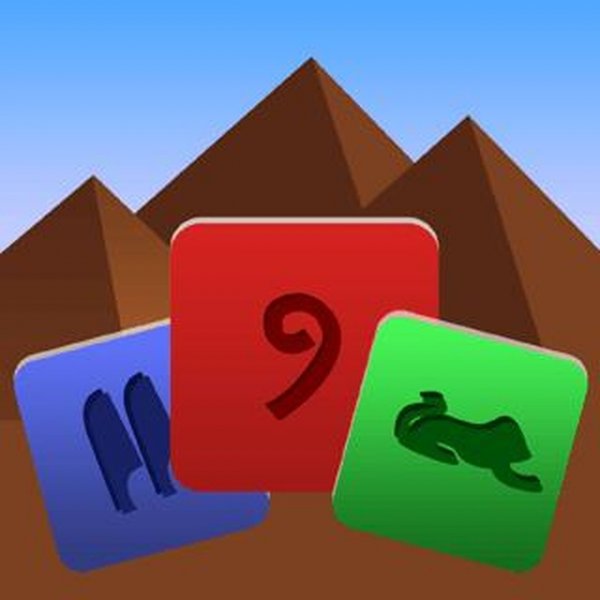
The tiles use vibrant, easily distinguishable colors and symbols inspired by historical Egyptian art. That palette is not just decorative — clear color separation helps you spot matches fast. Background and interface elements follow the same theme, keeping the screen cohesive without visual clutter. The result is a calm, focused puzzle space rather than a busy one. [IMG_3]
Progression and Difficulty
Stages introduce new elements gradually, so the rules expand without overwhelming you. Each level has a unique tile arrangement, meaning memorizing one board does not help on the next. Early puzzles use simple patterns; later ones ask for more complex configurations and longer planning. This curve keeps the game approachable for newcomers while giving experienced players something to refine.
Comments
0 comments