
One-Tap Flight Control
The entire control scheme is a single screen tap. Pressing lifts the creature upward; releasing lets it sink under its own momentum. Forward movement is automatic, so the only variable you manage is altitude. That narrow input window is what makes the game demanding: a tap held a fraction too long can push the creature into the top edge of a barrier, while too few taps send it into the ground or a lower obstacle. Skilled play comes from finding a steady tapping rhythm rather than reacting with panic taps.
Obstacle Gaps and Timing
Barriers appear ahead with gaps that the creature must pass through. The gaps are the only safe route, so the core decision each moment is whether to tap now, wait, or hold a shorter cadence to line up with the next opening. Because the creature keeps moving, there is no option to pause and reassess. Overcorrecting is the most common mistake; players who tap in quick bursts tend to overshoot the gap and hit the upper edge. Smooth, evenly spaced taps generally produce more consistent clears than aggressive corrections.
Retro Pixel Presentation
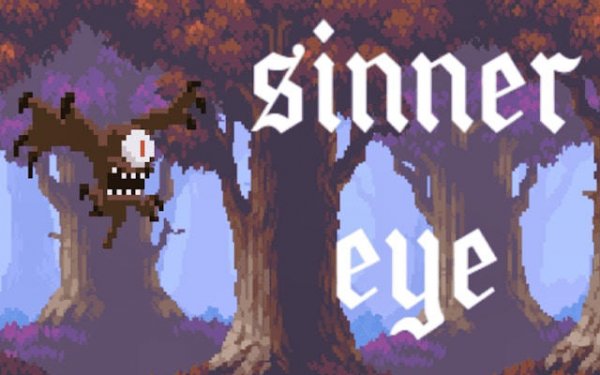
The visuals use pixel art with bright colors and simple animations, which keeps the creature easy to track against the background. As you progress, the sky environment shifts through different color palettes and obstacle shapes, so the screen does not look identical from run to run. The retro style is a deliberate choice rather than a limitation: simple shapes and high contrast make it easier to read the creature's position relative to the next gap, which matters in a game decided by split-second timing.
Scoring and Run Structure
Each successful pass through an obstacle adds points. A collision ends the run, and there are no levels or checkpoints, so every session starts from zero. That structure turns the score into a personal benchmark rather than a progression unlock. Because there is no saved progress, improvement shows up as higher scores over repeated attempts, not as unlocked content. Small gains in timing consistency translate into noticeably longer runs, which is the main feedback loop the game offers.
Session Length and Audience
Runs typically last a few minutes, which suits short breaks as well as longer play sessions built from repeated attempts. The single-input control means new players can start immediately, while the steadily increasing difficulty keeps the game relevant for those refining their reflexes. The free-to-play model removes cost as a barrier, allowing unlimited practice. Players who enjoy reflex-driven arcade challenges and score chasing are the most natural audience; those looking for story, level variety, or persistent upgrades will find little of that here.
Comments
0 comments