
Matching Colors Under Pressure
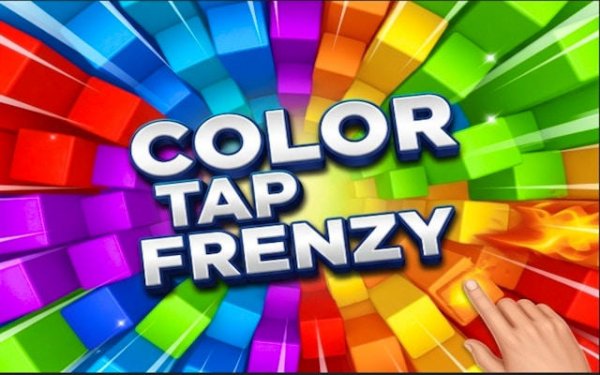
The core loop in Hue Match Speed Test is simple to grasp: a target color appears, and you must tap the matching tile from a group of options. Every correct selection adds points and keeps your run alive. The objective never changes, but the pace does. Because the target is always visible and the tiles are arranged in a grid, there is no menu navigation or complex setup between attempts. That directness is what makes the game immediately playable, yet the rising speed means you cannot coast on autopilot for long.
How Difficulty Escalates
Two separate pressures increase as you play. First, the time window for each selection shrinks, so decisions that felt comfortable early become rushed. Second, the number of tiles on screen can grow, adding visual noise and forcing you to scan more options before tapping. These changes happen independently, which means you might face a fast round with few tiles or a slower round with many. Adapting to both variables is the real skill test. No new mechanics are introduced beyond this, so improvement comes from sharper focus and faster recognition rather than learning new rules.
Visual Feedback and Scoring
The game uses a clean, vibrant palette so tiles remain easy to tell apart. A correct match triggers a brief confirmation, such as a flash or subtle animation, giving you immediate feedback without pulling attention away from the next target. Points are awarded per match, and a multiplier system rewards consecutive correct answers. A long streak significantly boosts the score per tap, but a single mistake resets the multiplier. That design encourages accuracy over reckless speed, even when the timer is tight. A local high score tracker, if present, lets you measure improvement across sessions.
Session Length and Accessibility
Runs typically last between one and three minutes, which suits short breaks or quick downtime. Controls require only a single tap per move, making the game approachable for a wide range of players. There is no lengthy tutorial or complex menu system; you can start playing right away. The pick-up-and-play structure aligns with its casual nature, emphasizing immediate engagement rather than long-term commitment. If you enjoy simple reflex challenges that reward sustained concentration, this format delivers that without unnecessary layers.
Comments
0 comments