
Aiming and Merging Fruit
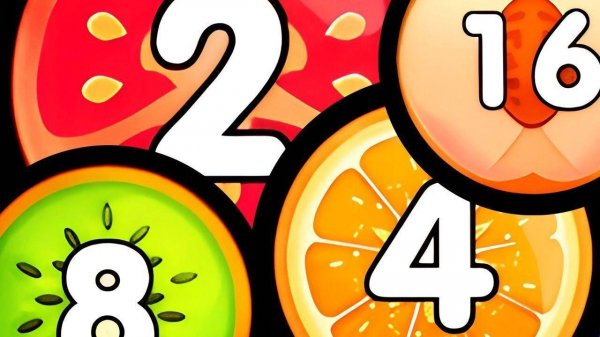
Fruit Combo Match Blaster builds its puzzle around a simple action: firing a fruit from a shooter so it lands beside an identical one. When two of the same fruit touch, they merge into the next fruit in a set sequence. That sequence gives every shot a purpose beyond clearing the board — you are working toward a specific target fruit. The board shows a mix of fruit icons, each representing a stage in the chain, so reading the layout matters as much as aiming.
Where Strategy Replaces Reflexes
Because fruits merge and shift positions, the board never stays still. A shot that looks safe can block a future merge, while a well-placed fruit opens space in the middle. Players who pause to study angles and trajectories tend to find faster routes to the target. As the board fills, managing open space becomes the real puzzle. There is no timer, so decisions can be made at a comfortable pace.
Bright Visuals and Clear Feedback
The game uses a cheerful fruit theme with vibrant colors and a polished look. Each fruit is distinct enough to read at a glance, which helps when scanning for matches. Merges produce clear visual feedback that confirms progress without distracting from the board. That clean presentation keeps attention on the puzzle and supports the relaxed tone.
Difficulty That Grows Gradually
Early levels introduce aiming and merging with simple layouts. Later puzzles add more fruits to the board or push the target fruit further along the progression chain. The result is a steady increase in complexity that asks for more planning without becoming punishing. Each level presents a fresh arrangement to solve rather than a repeat of the last.
Built for Short Sessions
A single level can be finished in a few minutes, which suits breaks or commutes. Controls work with both touchscreens and mouse-based devices, and the lack of time pressure means players can think through each shot. New players benefit from clearing space in the center first and planning two or three moves ahead, since isolated fruits at the edges are harder to reach later.
Comments
0 comments