
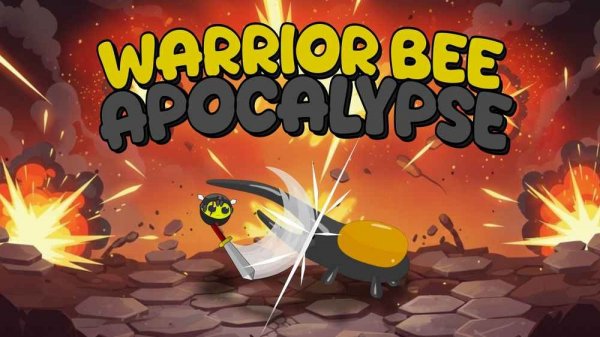
Defending the Hive in Real Time
You control one bee. Its stinger fires on its own, so your attention stays on movement. Each wave sends insects toward the hive, and one breach ends the run. The challenge is spatial: circle the play area, avoid getting boxed in, and keep every enemy away from the entrance. Because attacks are automatic, positioning is the skill that matters most.
Diamonds, Upgrades, and Build Choices
Defeated insects drop diamonds. Collecting them during a wave is risky but necessary—the more you grab, the more you can spend between rounds. The upgrade menu lets you raise attack power, movement speed, or defensive stats. A pure offense build clears waves faster; a defensive build survives longer against swarms. Neither is wrong, and the game supports switching priorities as enemy patterns change.
Special Items and Timing
During waves, temporary items appear: speed boosts, area attacks, and shields. Using one at the wrong moment wastes it. Saving a shield for a dense wave or an area attack for a group of fast insects often decides whether the hive survives. This adds a second layer of decision-making on top of movement—when to grab an item, and when to hold it.
Enemy Variety and Rising Difficulty
Later waves introduce insects with different behaviors. Some sprint directly at the hive, others arrive in tight groups, and some have special abilities that force you to change your route. Recognizing these patterns early gives you time to reposition. The difficulty curve assumes you are upgrading steadily, so falling behind on diamonds makes each wave noticeably harder.
Visual Style and Family Appeal
The art is bright and colorful, with insect designs that lean whimsical rather than threatening. The premise—protecting a hive, not attacking one—keeps the tone non-violent. Parents looking for an action game without mature content will find the presentation comfortable for younger players, while the upgrade and positioning systems still offer enough depth for older ones.
Comments
0 comments