
Team Coordination at the Core
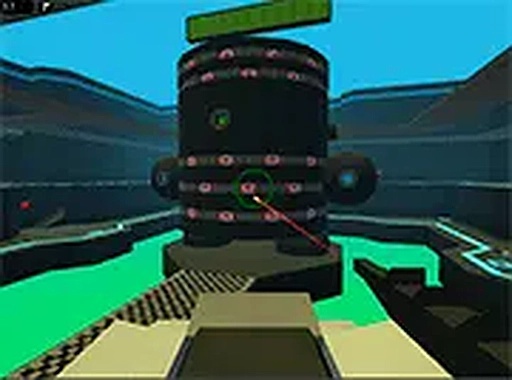
Cooperative Arena Challenge places a strong emphasis on group effort. Each player controls a character within a shared arena, and the primary objective is to work together to overcome a central opponent. This isn't a solo adventure; the opponent is designed to require multiple people focusing their actions at the same time. Effective communication, whether through quick text chat or simple callouts, becomes a valuable tool. The game rewards those who can synchronize their movements and attacks, turning a group of individuals into a cohesive unit.
Arena Hazards and Navigation
The arena itself is an active participant in the challenge. It is filled with various traps and obstacles that appear or shift during the encounter. Players must learn the layout and timing of these hazards to avoid being knocked out or slowed down. Some areas may offer temporary safety, while others force the team to keep moving. Navigating this space while also focusing on the main opponent adds a layer of complexity that tests both reflexes and spatial awareness. The arena design encourages teams to spread out and cover different zones.
Controls and Accessibility
The game uses a straightforward control scheme that is easy to pick up. On a computer, movement is handled with the WASD keys, and the mouse is used to aim and interact with targets. Jumping is a key action for avoiding floor-based traps and reaching elevated positions. Items scattered around the arena can be collected simply by walking over them, providing temporary advantages. This simple setup means players of all experience levels can join a session without a steep learning curve, allowing the focus to remain on team strategy rather than complex inputs.
Progression and Match Flow
Each match in Cooperative Arena Challenge follows a clear structure. The team begins with a set number of collective lives, and the goal is to reduce the opponent's health to zero before those lives run out. The opponent has distinct phases or behaviors that change as its health decreases, requiring the team to adapt their tactics. Falling to hazards or the opponent's attacks costs a life, emphasizing the importance of survival over reckless aggression. The match ends in victory when the opponent is defeated, or in defeat if the team exhausts its lives, providing a clear and satisfying loop.
Comments
0 comments