
Core Matching Mechanics
Pumpkin Match Puzzle is a match-3 game where the main action is swapping adjacent pumpkins to line up three or more of the same color horizontally or vertically. A successful match removes those pumpkins from the board, and new pieces drop into the empty spaces. That drop can create chain reactions, which award bonus points and help stretch limited moves further. The controls are simple: click or swipe to swap two neighboring pumpkins. The challenge comes from reading the board quickly and choosing swaps that set up multiple matches rather than just clearing one group at a time.
Level Goals and Progression
Each level in Pumpkin Match Puzzle has its own objective, such as clearing a set number of pumpkins or reaching a target score before moves run out. Because goals vary, the best strategy shifts from level to level. A score-focused stage rewards chain reactions and large combos, while a clear-count stage may favor steady, efficient matches that remove specific colors. Difficulty rises gradually, so early levels teach the basic swap-and-match rhythm while later ones demand more forward planning. There is no timer mentioned, so the pressure comes from move limits rather than speed.
Autumn Theme and Session Length
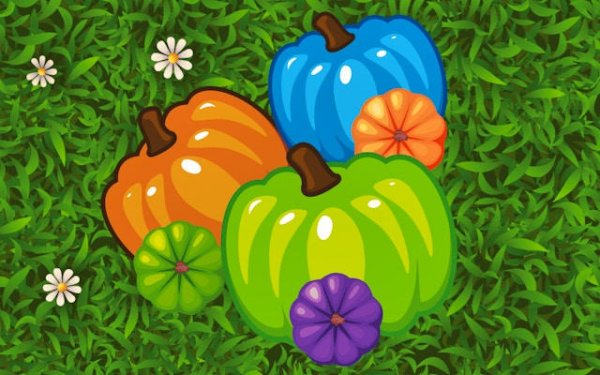
The game's visual identity centers on autumn colors and pumpkins, which gives the board a warm, seasonal look. Sessions are designed to be short, making the game easy to pick up during a break. There is no story or complex meta-system described; the appeal is straightforward puzzle play with a relaxed tone. Players who enjoy match-3 games with clear goals and a gentle difficulty curve are the most likely audience. The family-friendly presentation and simple controls also make it accessible to younger players or anyone new to the genre.
Practical Tips for Clearing Levels
Planning ahead matters more than matching quickly. Before making a swap, scan for moves that will create a chain reaction or set up a future match. When a level asks for a specific number of pumpkins, prioritize matches that remove those colors instead of taking the first available group. Watching how new pieces fall after each match helps predict what will be available next. On score-based levels, saving moves for larger combos is usually better than spending them on single matches. Patience and pattern recognition improve with repeated play.
Comments
0 comments