
Core Tap Mechanic
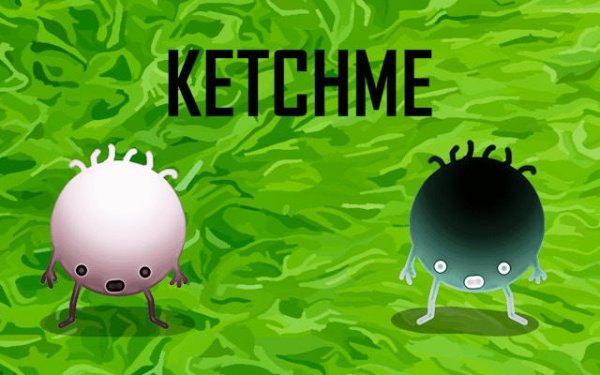
Ketchme Tap Reflex Challenge asks you to do one thing: tap the white character before the timer reaches zero. There are no other actions, no power-ups, and no complex controls. The entire game rests on how quickly you can spot a single target and react. That simplicity is deliberate. With nothing else to manage, your attention stays fixed on the screen, and the timer creates immediate pressure. Success depends on speed and accuracy, not strategy or memorization.
Escalating Difficulty
Every successful tap adds a new creature to the screen. The white target does not move faster, but it becomes harder to find because more items compete for your attention. Early taps are easy; later ones demand quick scanning and steady focus. This dynamic difficulty means the game grows with your performance. You are not choosing a harder mode. The game simply responds to your success by raising the challenge. That design keeps the experience tense without adding new rules.
Visual Clarity and Focus
The visuals are clean and minimal. There are no distracting backgrounds, animations, or sound effects described in the source. This absence of clutter is a functional choice: it lets you concentrate on the white target. The game does not rely on visual spectacle. Instead, it uses a simple palette and straightforward layout so your eyes can scan efficiently. For a reflex test, that clarity matters more than decoration.
Session Length and Audience
Sessions are short by design. You can play for a quick break or keep going for longer stretches. There are no tutorials or learning curves to overcome. Beginners can start tapping immediately, while experienced players can chase higher tap counts. The game suits casual players who want a fast mental workout and competitive players who enjoy pushing their reaction speed. It is easy to learn but difficult to master, and the lack of complexity keeps the focus on self-improvement.
Comments
0 comments