
Game Introduction
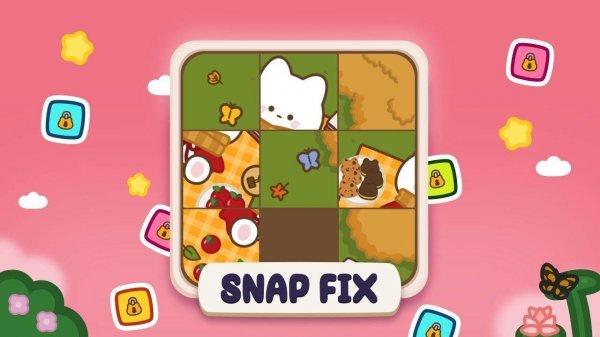
Snap Fix is an online picture puzzle game that presents players with a scrambled image broken into a grid of sliding tiles, with one empty space. The core objective is to slide tiles into the correct order to reveal the original picture. Each level offers a new beautiful image to restore, blending relaxation with mental exercise. The game is designed for players of all ages, offering simple mechanics that help build problem-solving skills. It is suitable for quick breaks or longer sessions, making it a versatile choice for casual gaming. The clean, family-friendly graphics ensure a safe experience for everyone.
How to Play
To play Snap Fix, look at the scrambled grid of tiles. Tap or click a tile adjacent to the empty space to slide it into that spot. Continue moving tiles one by one until the picture is complete. A timer tracks your progress, adding a gentle challenge to complete the puzzle efficiently. Plan your moves carefully to avoid getting stuck. The game provides clear feedback when you succeed, and you can replay levels to improve your time.
Game Features
Snap Fix features a variety of colorful images to unlock and download. The controls are simple and responsive, designed for touchscreens and mice. Graphics are clean and family-friendly, with no violent or mature content. The game includes a progression system that rewards completion with new pictures, encouraging repeated play.
Tips for Success
Start by focusing on the edges of the image to build a frame, then fill in the center. Take your time to think ahead before each move. Replay levels to improve your speed and accuracy. Practice regularly to sharpen your visual memory and pattern recognition.
Comments
0 comments